
Mid Brain Activities & Cognitive Development Program
Train Attention. Strengthen Focus. Build Cognitive Skills.
A structured activity-based program designed to engage attention, memory, sensory processing, coordination and cognitive skills through carefully designed exercises and interactive activities.
What Is the Midbrain?
The midbrain, also known as the mesencephalon, is a small but important region of the brainstem located between the pons and higher brain regions.
It forms part of several neural pathways involved in sensory processing, movement, visual and auditory responses, alertness and other neurological functions.
Important structures within the midbrain include the superior and inferior colliculi, substantia nigra and ventral tegmental area, which contribute to different neurological processes.
Approximate location of the midbrain within the brainstem
Science First
The midbrain is not a dormant part of the brain that needs to be "switched on." Our program focuses on structured activities that engage attention, sensory processing, movement, memory and coordination.
From "Activation" to Meaningful Brain Engagement.
Mindpriests uses structured cognitive, sensory and movement-based activities rather than making unrealistic claims about activating a dormant brain region.
Attention
Activities that encourage participants to focus on specific information and remain engaged with a task.
Memory
Activities involving recall, sequencing and remembering information.
Observation
Exercises that encourage visual attention, pattern recognition and noticing details.
Coordination
Movement-based activities that encourage controlled responses and body coordination.
Response & Reaction
Tasks requiring participants to observe, process and respond to changing information.
Cognitive Flexibility
Activities requiring participants to change strategies, follow new rules and respond to different situations.
How Does the Program Work?
Engage
Begin with activities designed to capture attention and encourage active participation.
Stimulate
Use sensory, movement, memory and coordination-based activities to challenge information processing.
Practise
Repeated practice provides opportunities to develop targeted cognitive and behavioural skills.
Challenge
Gradually increase task complexity, attention demands, memory requirements and response challenges.
Observe & Improve
Use participation, task performance and trainer observations to identify areas for continued practice.
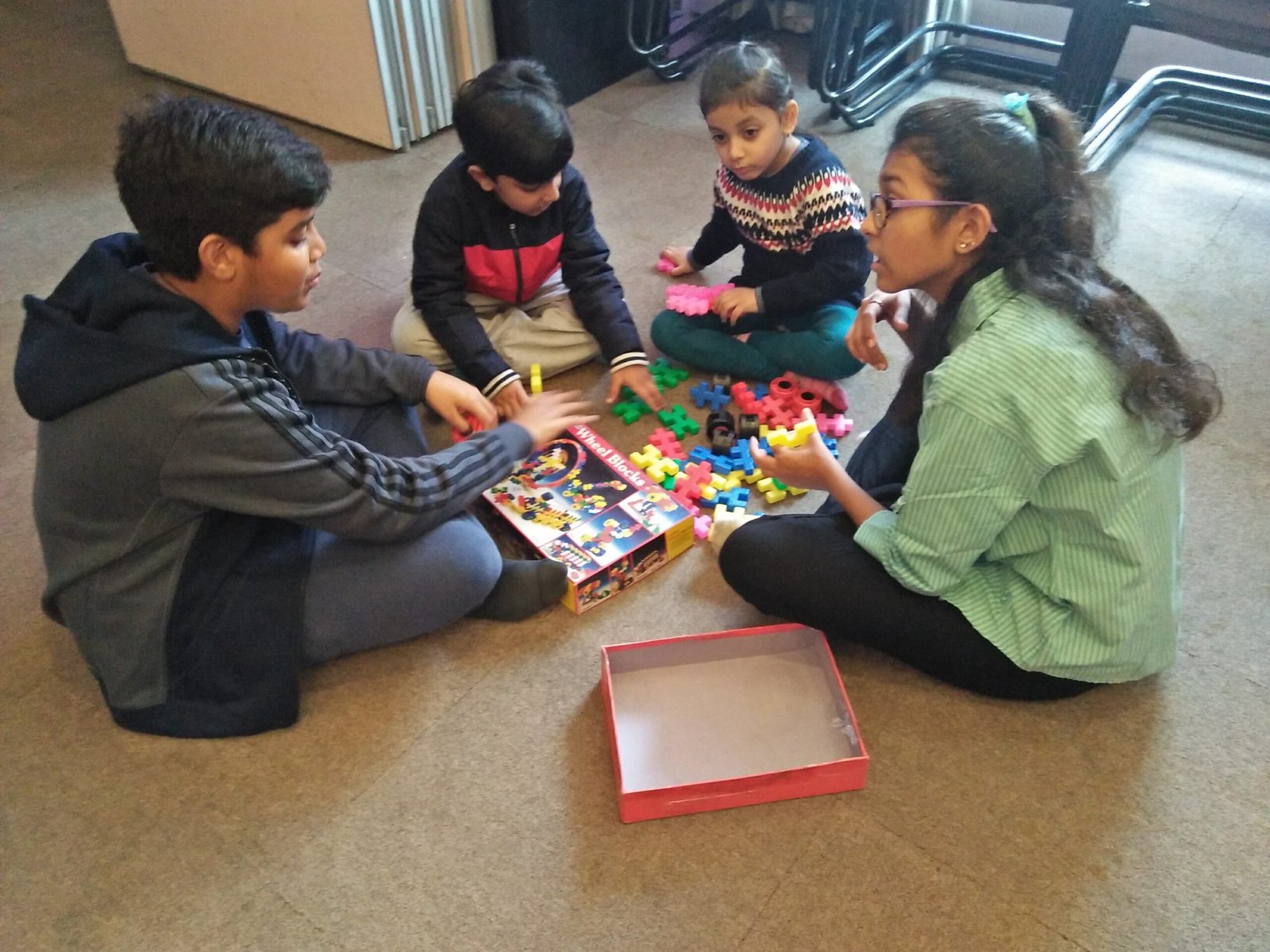
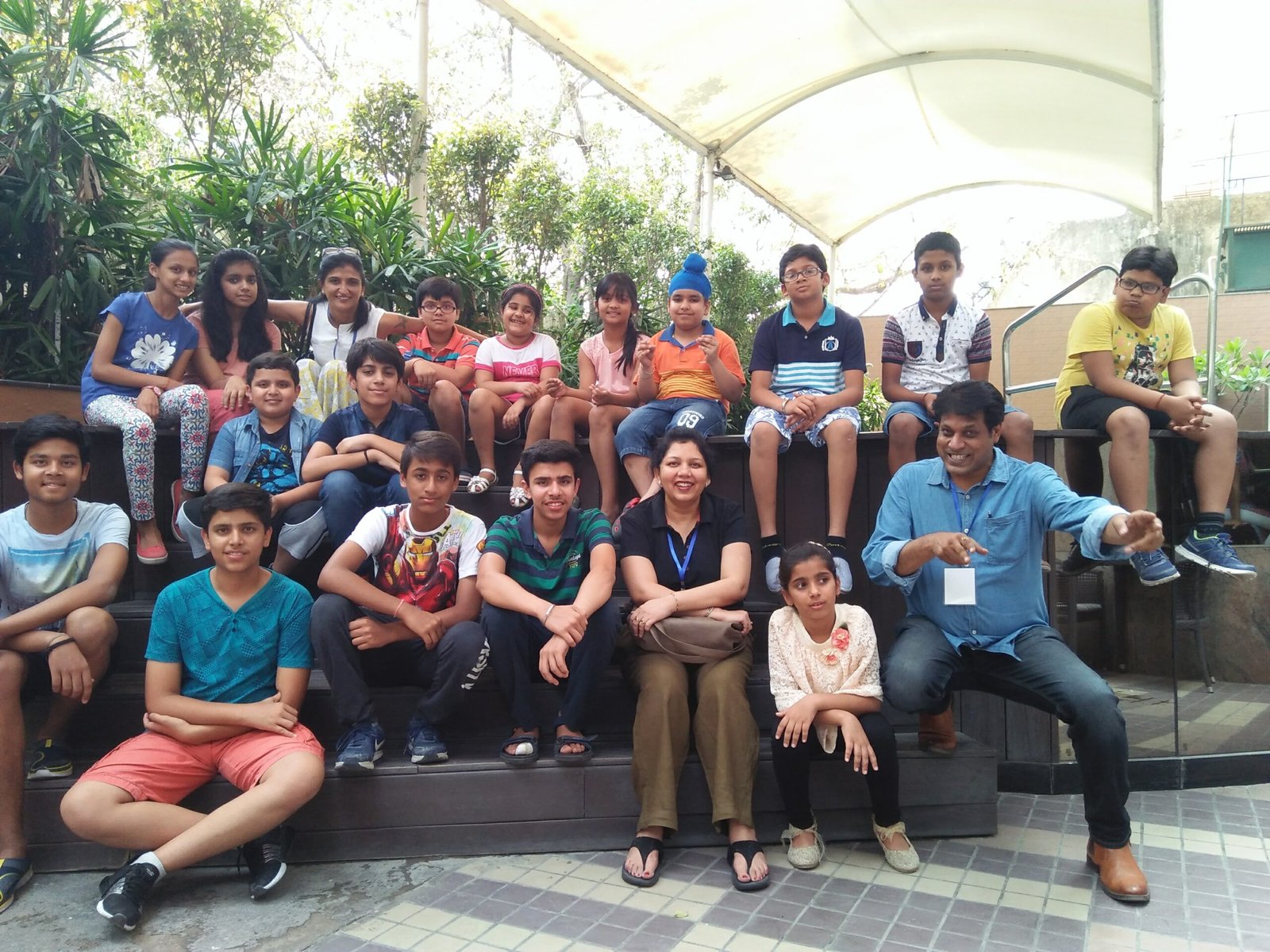
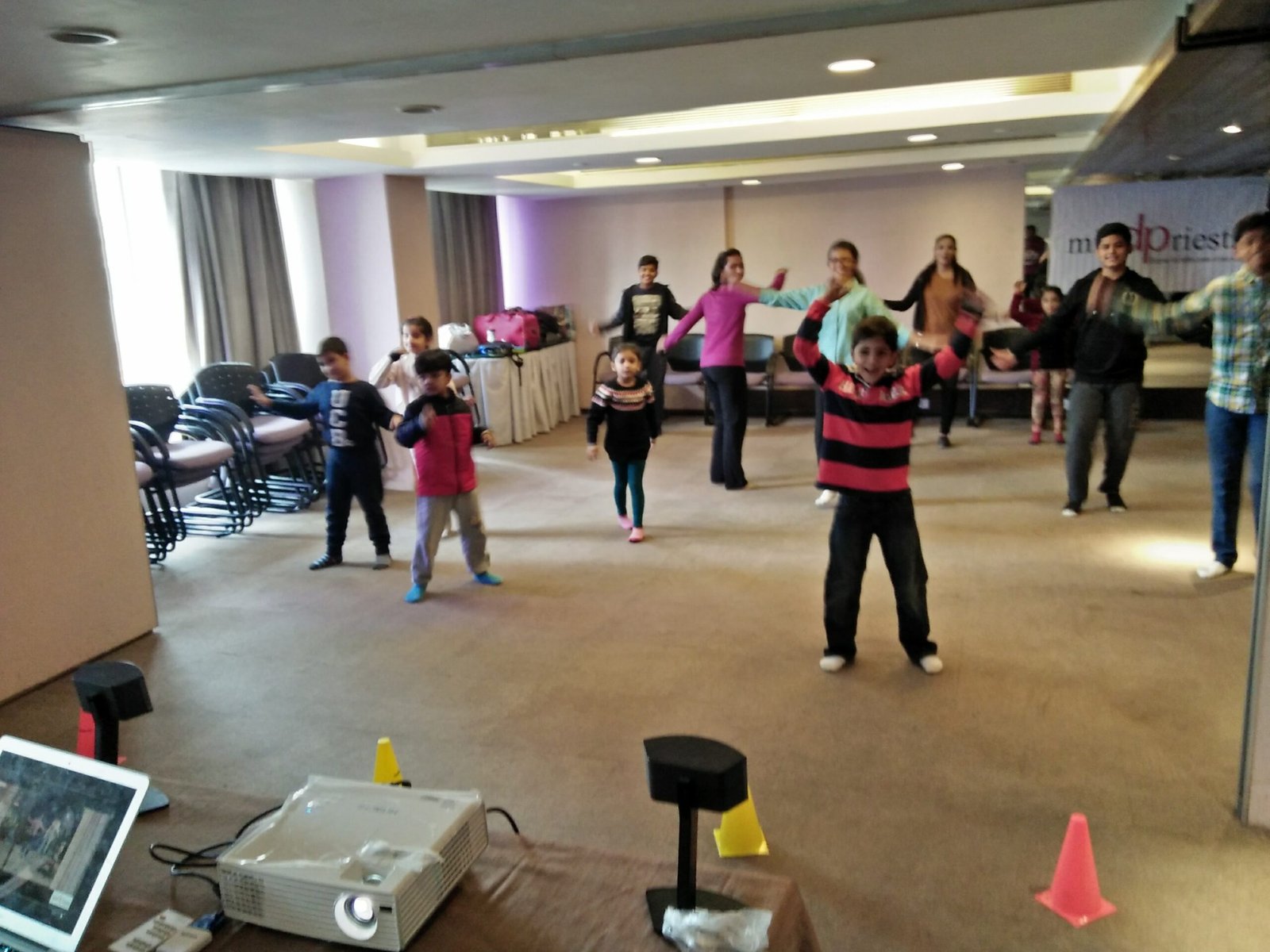
Session Glimpses.
A peek inside our Mid Brain Activation sessions — in the classroom and on the ground.




Your Brain Works Through Connected Networks.
Learning and performance do not depend on one isolated part of the brain. The brain operates through interconnected networks, with different regions communicating continuously.
The midbrain contains structures and pathways involved in sensory and motor functions, visual and auditory processing, movement regulation, reward-related processes and aspects of alertness.
Our program therefore focuses on whole-brain engagement through purposeful activities rather than claiming that a single exercise can activate one dormant brain region.
A simplified view of interconnected brain networks
Skills We Target.
Attention
Staying focused on a task.
Concentration
Sustaining engagement over time.
Memory
Recalling and sequencing information.
Observation
Noticing detail and pattern.
Sensory Awareness
Processing sensory input.
Hand-Eye Coordination
Linking sight with movement.
Response & Reaction
Reacting to changing information.
Cognitive Flexibility
Switching strategies and rules.
Mental Agility
Thinking quickly and clearly.
Task Engagement
Staying active in an activity.
Inside a Mindpriests Session.
Warm-Up
Simple activities prepare participants for active engagement.
Sensory & Attention Activities
Visual, auditory and movement-based activities encourage focused participation.
Memory & Cognitive Games
Participants work on recall, sequencing, observation and problem-solving activities.
Coordination Activities
Participants practise controlled movement, balance and hand-eye coordination.
Progressive Challenges
Activities become progressively more challenging according to the program structure.
Reflection & Feedback
The session concludes with trainer feedback and observations.
Mid Brain Activities for Kids.
Learn Through Movement. Explore Through Activity.
Our children's program combines movement, sensory engagement, memory games, observation tasks, coordination exercises and attention-based activities in an interactive learning environment.
Focus Areas
Mid Brain Activities for Adults.
Keep Your Mind Engaged. Challenge Your Cognitive Skills.
Our adult sessions use structured cognitive and movement-based activities to encourage attention, memory, coordination, mental agility and active participation.
Focus Areas
Why Choose Mindpriests?
Structured Programs
Activities are organised into a systematic program rather than random brain games.
Activity-Based Learning
Participants learn and practise through doing, responding and interacting.
Trainer-Guided Sessions
Activities are delivered through a structured session format.
Skill-Focused
The program focuses on observable skills such as attention, memory, coordination and response.
Institutional Ready
Programs can be adapted for schools, educational institutions, workshops and group sessions.
Science First. No Unrealistic Promises.
The term "midbrain activation" is sometimes used commercially to suggest that a dormant brain region can be switched on to produce extraordinary abilities. This is not an established description of how the human brain works.
The midbrain is a functioning anatomical region involved in multiple neurological processes.
Similarly, cognitive-training research does not justify promising guaranteed increases in IQ, photographic memory, blindfolded reading or dramatic academic transformation from a particular activity.
Mindpriests focuses on structured activities, skill development and responsible communication rather than exaggerated claims.
Frequently Asked Questions.
Is the midbrain a separate inactive part of the brain?
Can activities activate the midbrain?
Can this program improve academic performance?
Is this a medical treatment?
Give the Brain More Opportunities to Learn, Adapt & Engage
Through purposeful activities, structured practice and engaging challenges, Mindpriests helps participants practise important cognitive and sensory-motor skills in an interactive environment.